Every leader develops a set of beliefs about how meaningful change happens. The following stories highlight five experiences that shaped my approach to student success, workforce development, community engagement, organizational leadership, and strategic vision.
Design is a Form of Support
When I arrived at Morton College, the institution had been discussing Guided Pathways for years, but implementation had stalled. As I listened to faculty, advisors, and student affairs professionals, I became increasingly concerned by a pattern we were seeing among students. Too many were accumulating credits without accumulating momentum. They were taking courses, spending time and money, and working toward goals that often remained unclear or out of reach.
One group stood out in particular. Students interested in Nursing and other health careers frequently enrolled in a collection of general education courses while repeatedly applying for selective admission programs. Some accumulated dozens of credits over several years without being admitted. When they eventually stopped attending, many left without a credential despite significant investment in their education.
Rather than asking how we could add another support service, we asked a different question:
How might we redesign the student experience itself?
The answer became Panther Pathways.
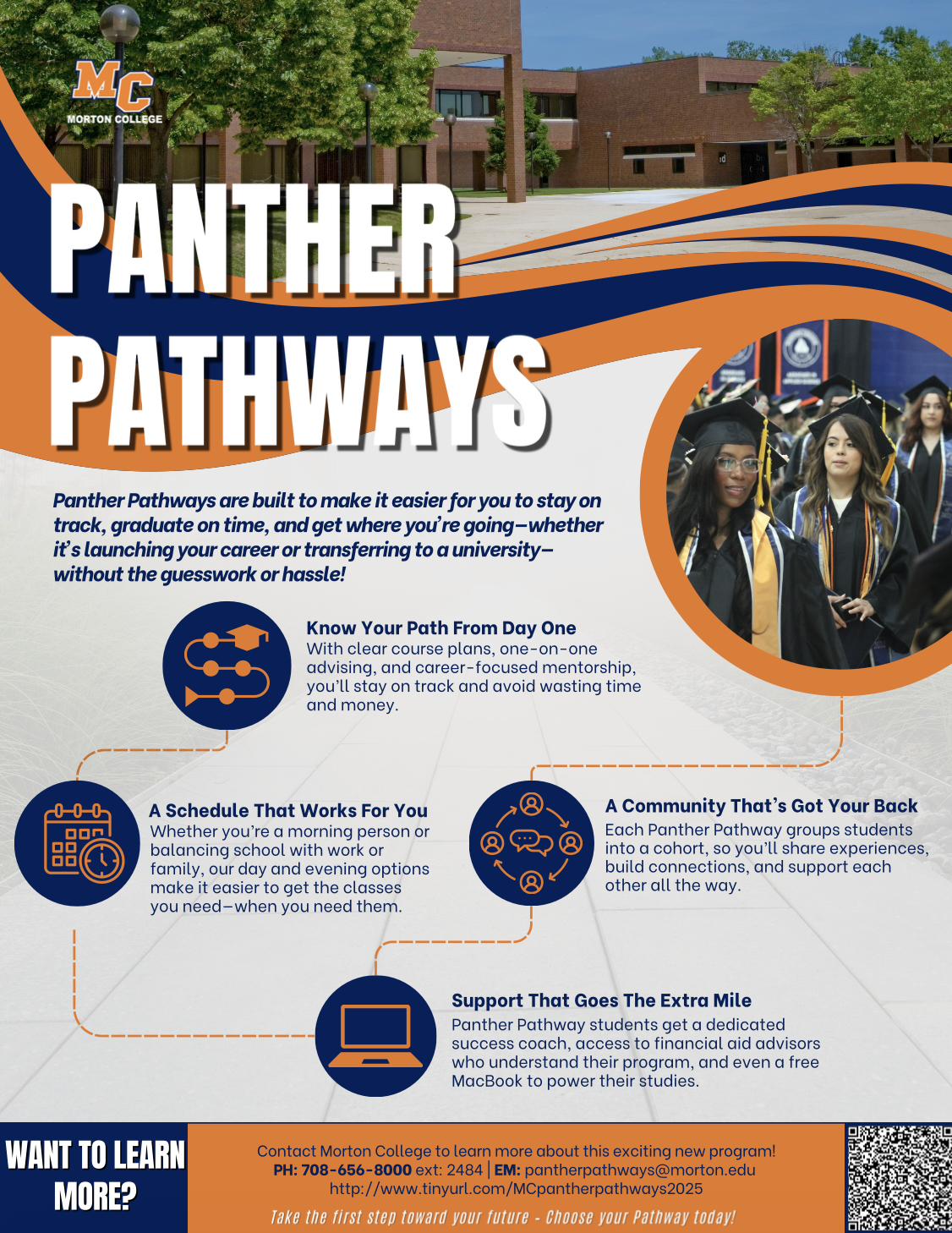
Working with a cross-functional team of faculty, advisors, deans, student services professionals, and support staff, we developed a series of structured pathways in General Education, Health Careers, Criminal Justice, Engineering, and other fields. Each pathway was intentionally designed around meaningful milestones. Students pursuing transfer-oriented degrees completed the Illinois General Education Core Curriculum (GECC) first, ensuring that even students who changed direction or paused their studies would leave with a valuable credential and a completed general education core recognized throughout the state.
The guiding principle behind Panther Pathways was simple:
Design is a form of support.
If we know that advising, tutoring, financial aid counseling, career exploration, technology access, and social connection improve student success, why should students have to find those services on their own?
Instead of asking students to navigate institutional complexity, we embedded support directly into the pathway experience.
Students entered the program through a required orientation and community-building kickoff event. They enrolled in a College Success Seminar together. They followed carefully designed schedules that allowed them to maintain full-time momentum while taking only two courses at a time in accelerated eight-week sessions. They received Panther Pathways-branded laptops and laptop bags, low-cost or free course materials whenever possible, and ongoing support from dedicated academic and student services pathway champions who coordinated programming, monitored progress, and intervened early when students encountered challenges.
Just as important, Panther Pathways was never presented as a finished product. Faculty and staff were excited by the vision but understandably felt pressure to get everything right. To create space for innovation, I began talking about Panther Pathways 1.0, 2.0, and 3.0 before the first cohort ever launched.
The message was simple: we would strive for excellence, but we would also learn as we went. We would pilot boldly, learn generously, and continuously improve the experience for students.
The inaugural cohort achieved approximately 95% fall-to-spring persistence and 87% fall-to-fall retention.
Yet one of the most important moments came when a student decided to leave the program during the first semester. The pathway structure was simply more intensive than he was ready for at that point in his life. Under a traditional model, he might have quietly disappeared. Instead, because he had relationships with faculty, advisors, and pathway staff, he had a conversation. Together, they discussed his goals and options. He withdrew from Panther Pathways, but he did not leave Morton College.
That experience reinforced an important lesson for me. Student success is not simply about retention. It is about helping students build the relationships, confidence, and clarity necessary to make informed decisions about their futures. When students feel connected, supported, and known, they are far more likely to persist—and even when they choose a different path, they do so with purpose rather than isolation.
Panther Pathways demonstrated what is possible when institutions stop asking students to navigate complexity alone and instead take responsibility for designing experiences that reduce friction, eliminate noise, and create momentum toward meaningful goals.
Seeing Over the Horizon
The idea for the Live Entertainment Production program did not emerge from a strategic plan or labor market report. It began with a conversation.
One afternoon, a faculty member in our Technical Theatre program came to my office with an observation. There were excellent careers in live entertainment production—building stages, hanging lighting systems, managing sound, operating rigging, and supporting major tours—but no clear educational pathways into the field. Most people entered the industry through personal connections, luck, or on-the-job training. At the same time, the workforce was overwhelmingly white and male, creating barriers for talented individuals who had never been exposed to these opportunities.
I believed the idea had potential, but potential is not enough. New programs require evidence, partnerships, and a compelling case for change. I provided her with release time to research the industry, engage employers and unions, and identify comparable programs. What we discovered was both exciting and frustrating. The jobs were real. The wages were strong. Employer demand was growing. Yet there were almost no educational pathways anywhere in the country. Even labor market data was difficult to find because the industry lacked the classification systems and educational infrastructure that more established professions take for granted.
The opportunity was hiding in plain sight.
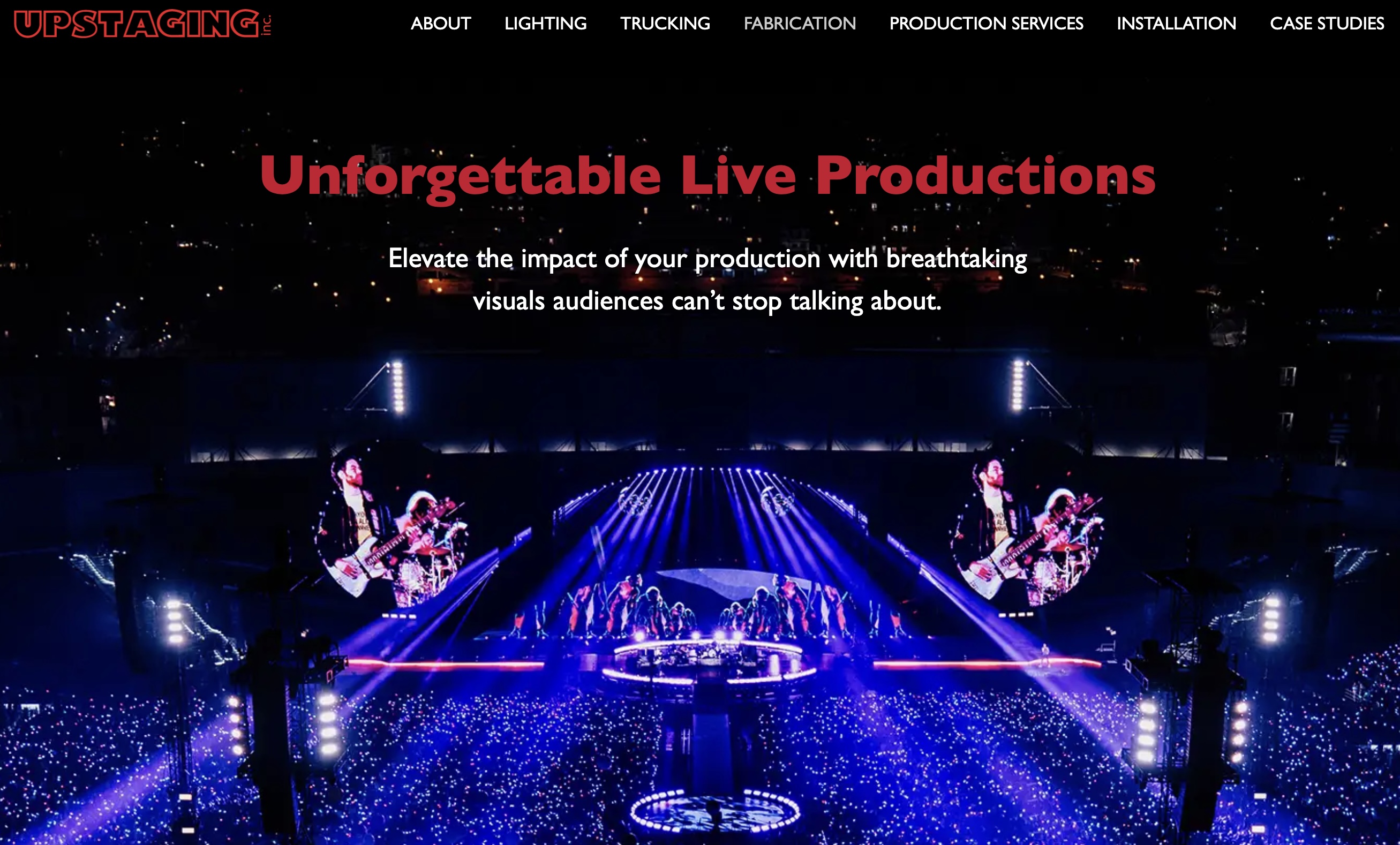
Through conversations with colleagues and partners at the American Association of Community Colleges, I was introduced to Robin Shaw, co-founder of Upstaging, one of the world’s premier live entertainment production companies. Robin immediately confirmed what Tracie had been seeing. An entire generation of skilled technicians was nearing retirement. Demand for talent was growing rapidly following the pandemic. The industry lacked a sustainable pipeline of new workers. And employers were eager to diversify a workforce that had historically excluded many talented people.
Robin invited us to visit Upstaging’s headquarters in Sycamore, Illinois. What we encountered exceeded every expectation. Upstaging operates one of the largest private transportation fleets in the United States and supports tours for many of the world’s most recognizable recording artists. Yet despite having community colleges nearby, no one had seriously engaged the company as a workforce partner.
As we toured the facility and spoke with department leaders, I realized something important: these professionals were already teaching. Every day they trained new employees, transferred knowledge, coached apprentices, and developed talent. The challenge was not creating expertise. The challenge was connecting that expertise to students.
Those conversations transformed the project. What began as an idea became a partnership. Industry leaders joined an advisory committee. We conducted a DACUM process to identify the knowledge and skills required for success. We worked with curriculum specialists, employers, and faculty to design a pathway that blended classroom learning with hands-on experience.
The process was not easy. Existing educational frameworks were designed for established industries with well-defined career pathways. We were attempting to create something that did not yet fit neatly into existing categories. More than once, we found ourselves adapting processes and challenging assumptions because the traditional rules had been written for a different kind of problem.
One lesson became increasingly clear:
When you are building something genuinely new, there is no map.
Innovation requires discipline, but it also requires the courage to recognize when existing systems are creating unnecessary friction rather than enabling progress.
From the beginning, I believed that experiential learning had to sit at the center of the program. Students could learn technical concepts in classrooms, but they also needed opportunities to work alongside professionals in real-world environments. Together with Upstaging, we developed internship opportunities that allowed students to experience the industry firsthand and determine whether the lifestyle and career path were right for them.
Two students completed internships during one of the program’s earliest summers. One discovered that touring was not the life he wanted. The experience helped him make an informed decision about his future, and that was a success.
The second student, a young Hispanic man from Waukegan, thrived.
Upstaging hired him, and today he travels the world supporting major entertainment productions. A student who might never have known such a career existed now works in an industry that takes him across the globe.
For me, that student’s journey captures the power of community colleges at their best. We are not simply preparing students for existing opportunities. We are helping them discover possibilities they may never have imagined for themselves.
The experience also reshaped my understanding of leadership. Early in my career, I believed that effective leaders helped others see the future exactly as they saw it. Over time, I learned that this is rarely how change works. The more detailed your vision of an emerging future, the more difficult it can be for others to imagine it alongside you.
Seeing over the horizon is not about predicting the future.
It is about recognizing possibilities that others have not yet fully seen and creating pathways that allow people to move toward them together.
The Live Entertainment Production program began with a faculty member’s observation and grew into a partnership that changed lives. More importantly, it demonstrated that community colleges have a unique responsibility to identify emerging opportunities, build partnerships around them, and help students step confidently into futures that are still coming into view.
Community is Built Through Common Purpose
Shortly after I arrived at College of Lake County, the president challenged me with a simple but important observation. She described the college as a “slumbering giant” that had gradually drifted away from some of the communities it was created to serve. One of my responsibilities, she explained, was to help the college re-engage the community in meaningful ways.
I immediately set my sights on Waukegan.
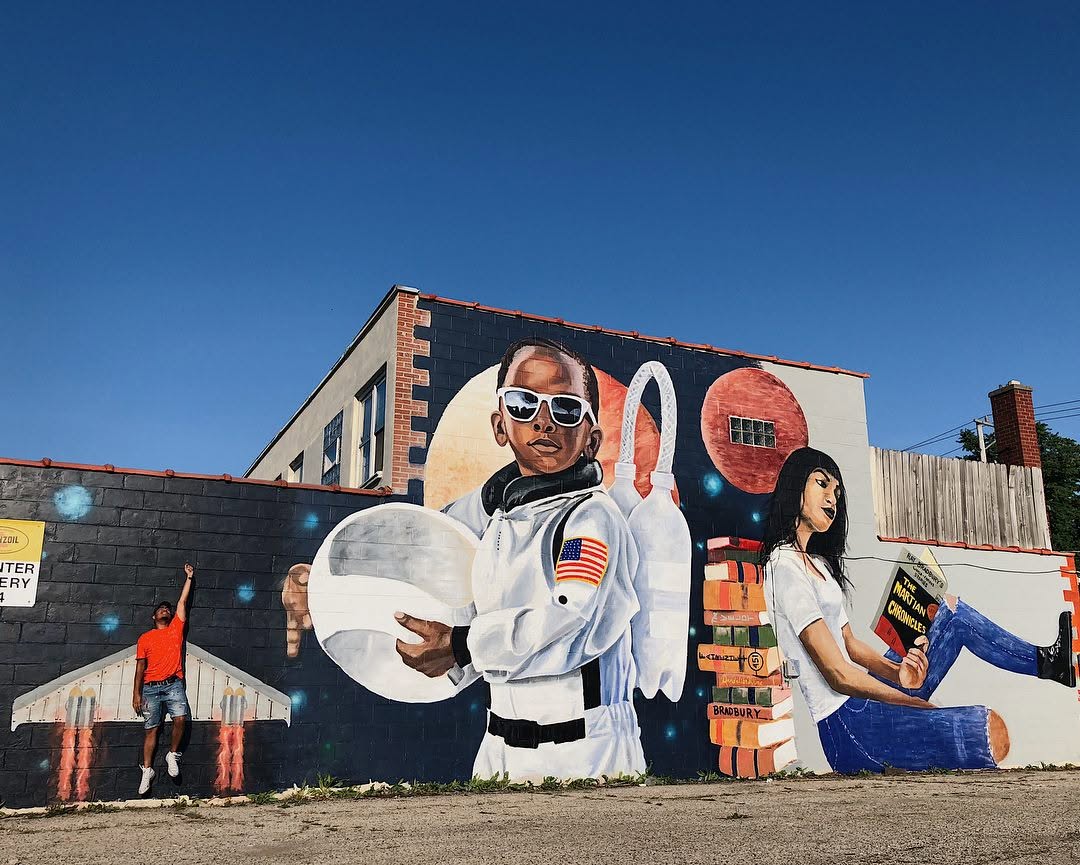
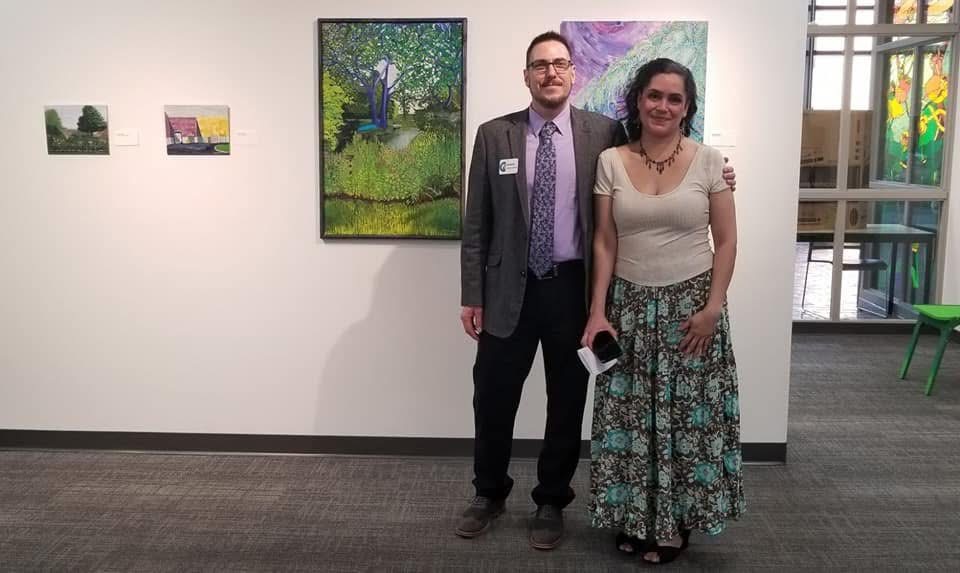
For many people in Lake County, Waukegan was viewed through the lens of its challenges. What I saw was something different: a city rich in history, culture, music, theatre, and artistic talent. I began attending community meetings, meeting local leaders, and building relationships. One of my first connections was David Motley, an artist, musician, and marketing director for the City of Waukegan. Through David, I was introduced to a network of community leaders, artists, educators, and advocates deeply committed to the city’s future.
Then COVID arrived.
Just days before I was scheduled to attend my first ArtWauk event, the world shut down. Rather than retreat, I called David and asked a simple question:
Who else should be part of this conversation?
We assembled a small group on Zoom and I asked another question that would ultimately shape the entire project:
What do you need?
The answers were deeply human. Parents were overwhelmed. Mental health was suffering. Artists had lost opportunities to create, connect, and earn income. Families were isolated. Community spaces had disappeared overnight.
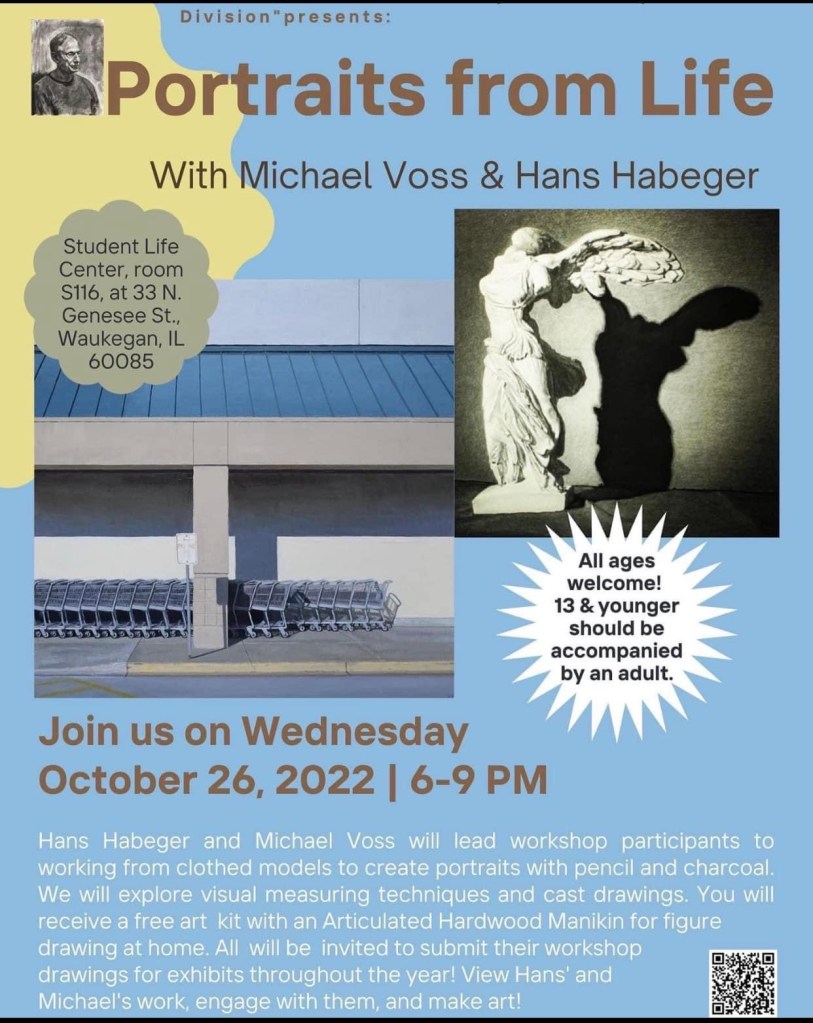
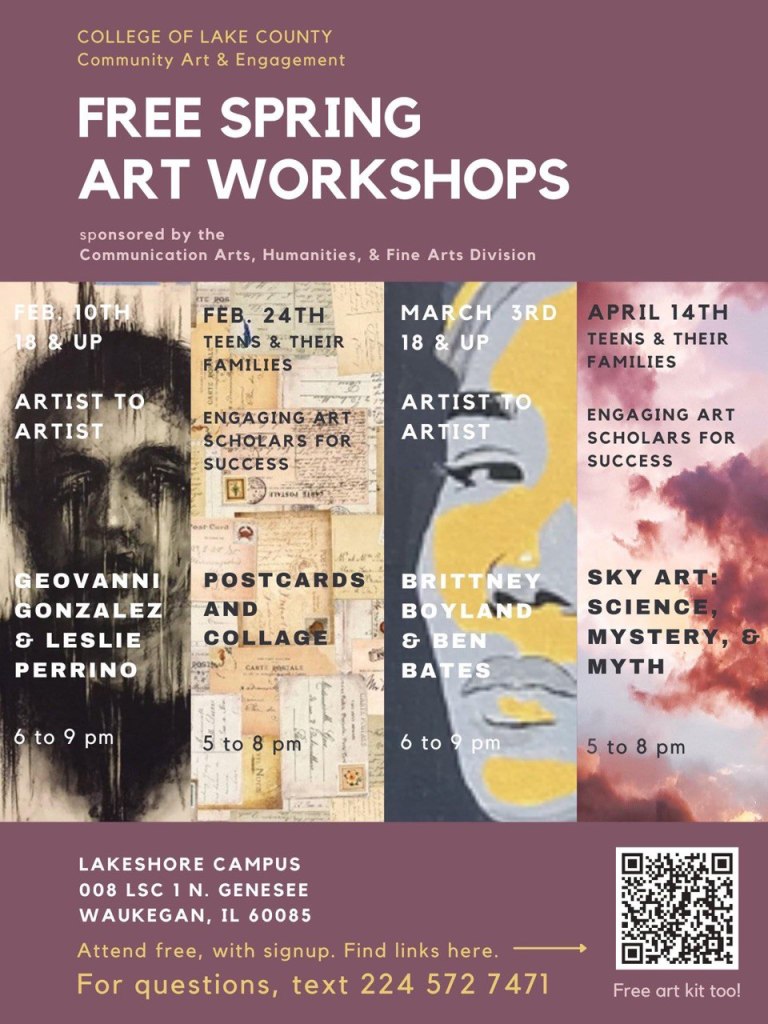
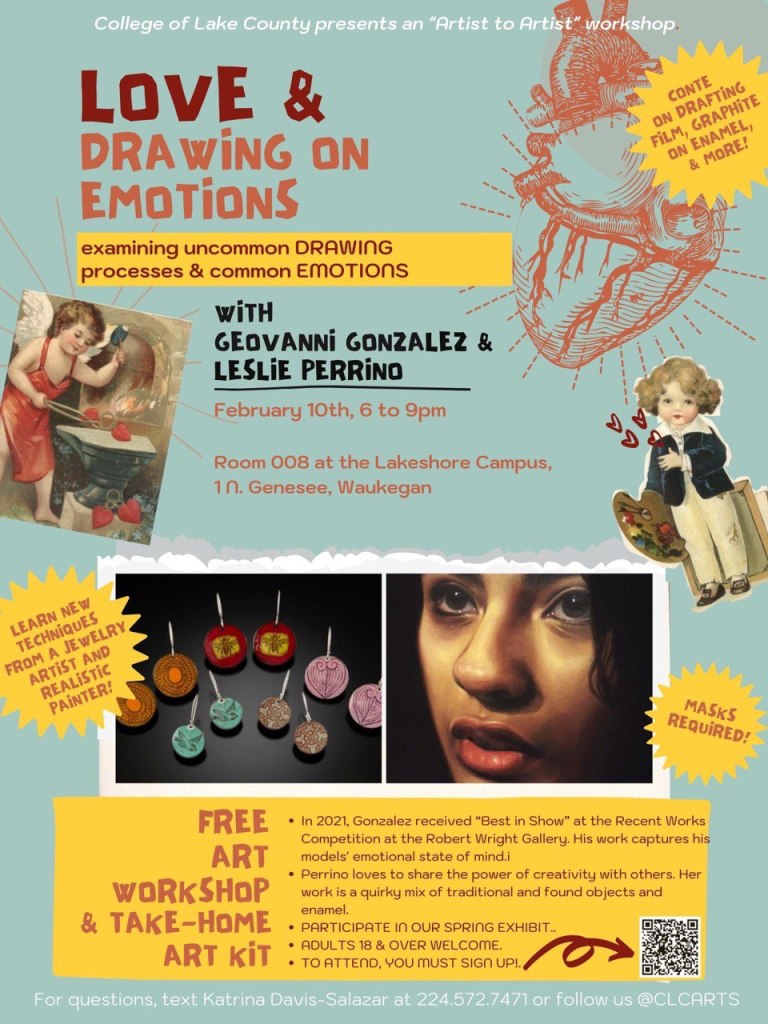
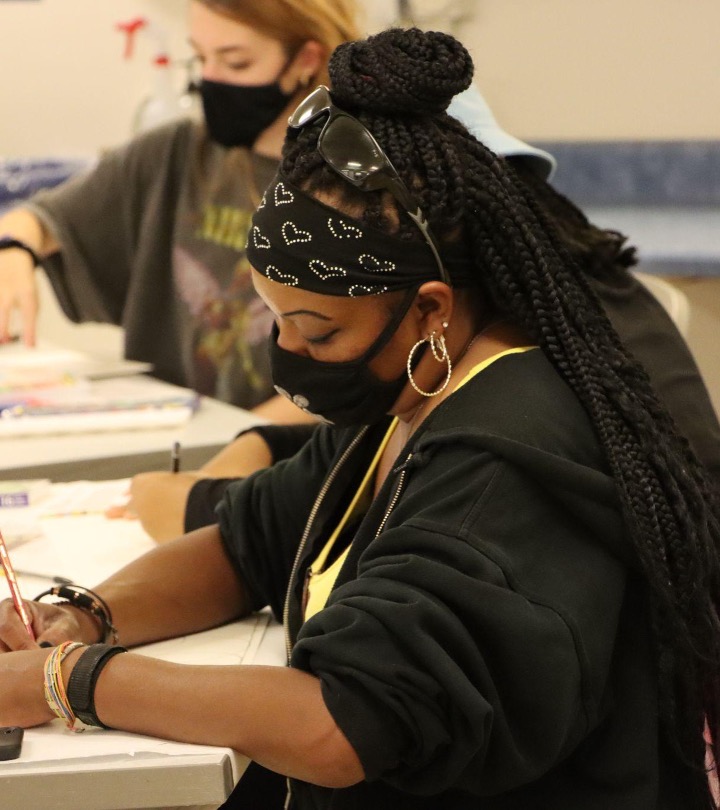
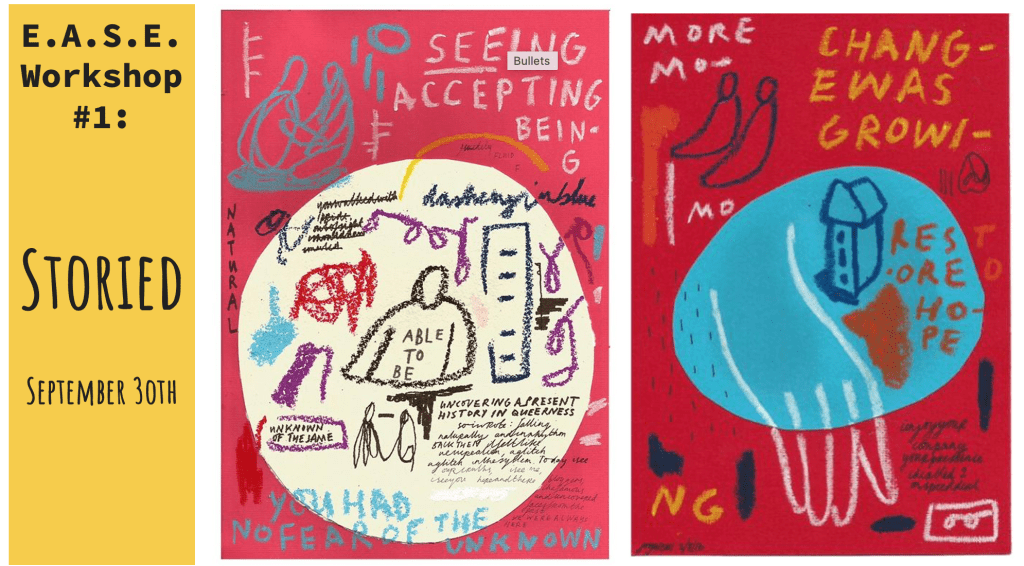
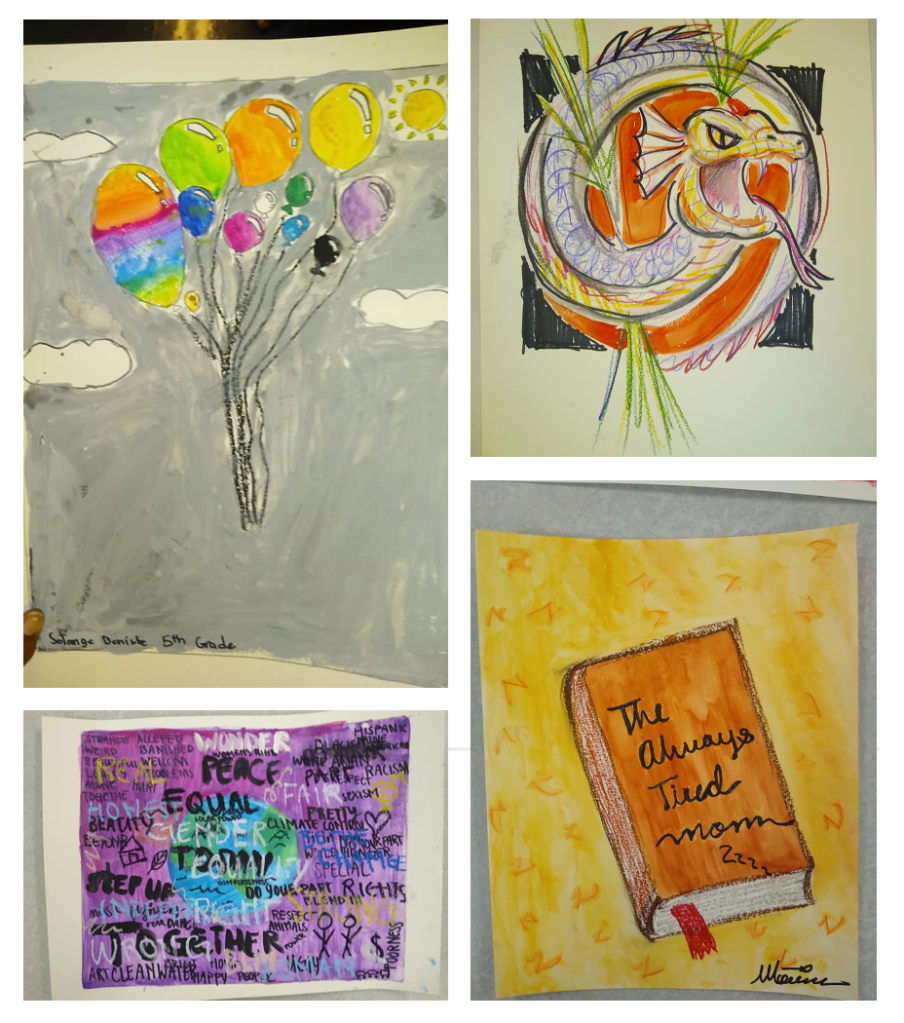
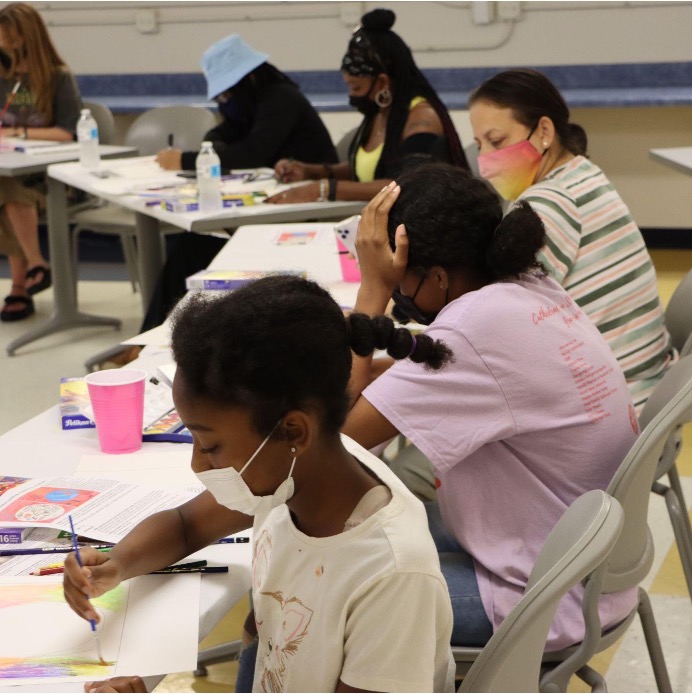
As I listened, I realized that the college already possessed resources that could help. We had art faculty eager to engage, unused supplies from cancelled classes, and a mission grounded in service. Together with faculty, community leaders, and local artists, we launched a series of free workshops for families and professional artists. We distributed thousands of dollars in free art supplies, created Artist2Artist professional development workshops, and provided stipends to community artists whose expertise and contributions deserved recognition.
Those workshops became more than a response to a crisis. They became an exercise in relationship-building.
Earlier conversations with adjunct faculty member Katrina Davis Salazar had revealed a divide between some of the county’s established arts institutions and many emerging Black and Latino artists. We intentionally designed workshops that paired College of Lake County faculty with community artists as co-facilitators, creating opportunities for collaboration, visibility, and mutual learning. During the first three years, we hosted 30 workshops, distributed more than $15,000 in art supplies, and provided approximately $20,000 in artist stipends. Most importantly, people showed up. In a period marked by isolation, they found opportunities to create, connect, and support one another.
At the same time, I was wrestling with a different challenge.
Community organizations frequently approached the college seeking partnerships. AbbVie wanted support for Hispanic Heritage Month programming. The Dunn Museum sought student volunteers for exhibitions. Other organizations requested speakers, performers, artists, or expertise. While these requests were valuable, they were largely transactional and reactive. The college was responding to opportunities rather than helping shape them.
I began wondering whether there was a better approach.
Working with a group of faculty colleagues, I developed an initiative called Voices of Lake County. Each year, the project would focus on a community theme that faculty could integrate into their courses and that community partners could explore alongside us. Rather than organizing isolated activities, we would invite students, faculty, artists, employers, museums, libraries, and community organizations into a shared conversation.
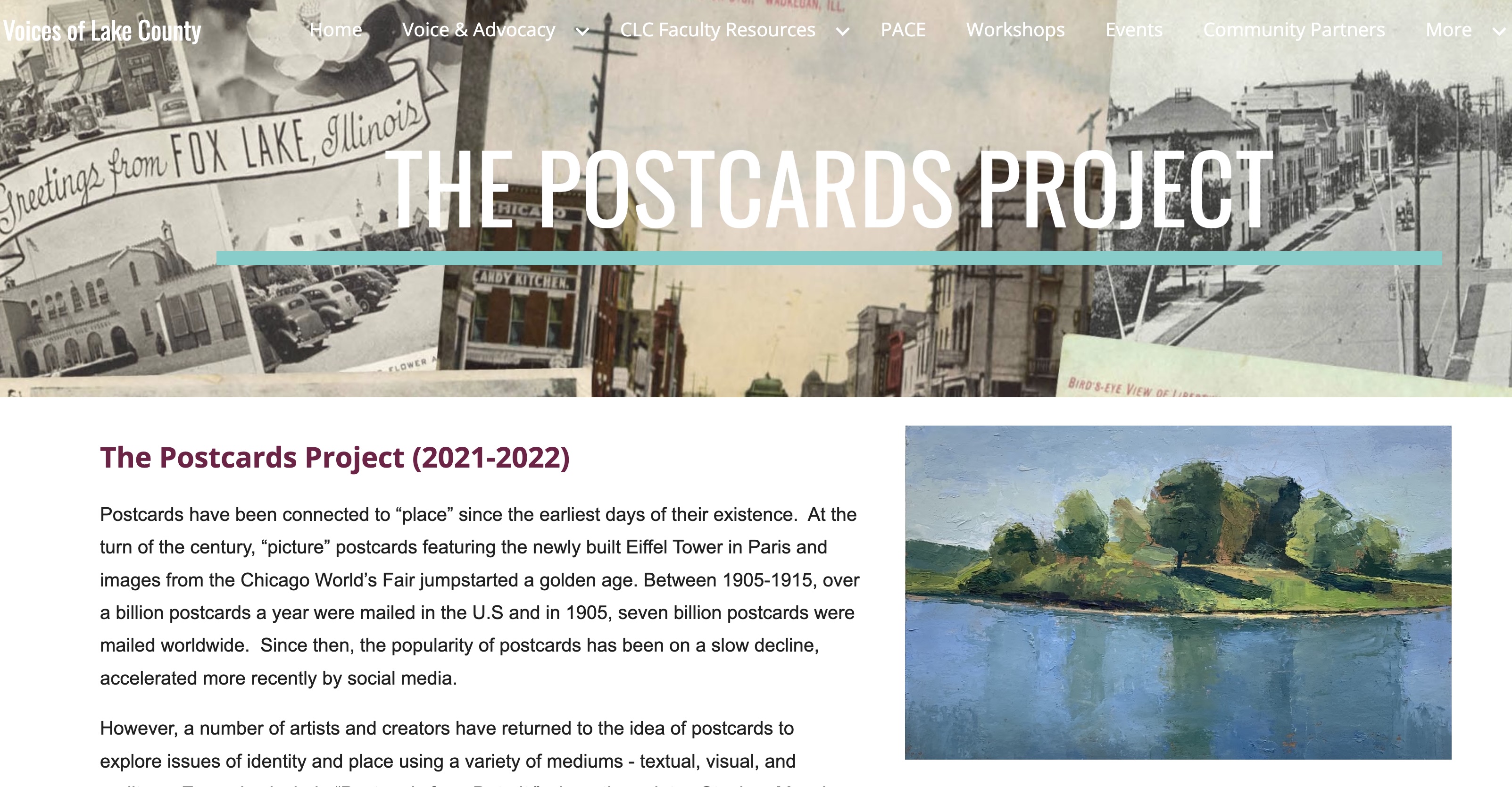
The first theme, The Postcards Project, explored stories of place and time. The second examined The Future of Work. Students created artwork, essays, performances, research projects, and community exhibits. Community partners contributed expertise, venues, and perspectives. Faculty built the themes into coursework across disciplines. What began as a collection of individual partnerships became a coordinated effort to engage the county around questions that mattered.
Eventually, the two initiatives converged.
The community workshops, artist partnerships, and cultural programming became part of Voices. The annual themes provided a shared framework that connected students, faculty, artists, and community organizations to one another. What had started as separate efforts to address different problems evolved into a broader model of community engagement grounded in listening, collaboration, and shared purpose.
Each year, Voices culminated in exhibitions at the Wright Gallery and performances at the James Lumber Center. Those events remain some of the most rewarding moments of my career. Hundreds of students, families, artists, educators, and community partners gathered on campus to celebrate their work and each other. As I walked through the gallery or sat in the audience, I would see people I had met across the county—artists from Waukegan, faculty members, students, museum leaders, business partners, families, and civic leaders—all sharing the same space.
The energy was electric.
For me, those moments captured the highest purpose of a community college. We are not simply providers of courses, credentials, and services. We are conveners. We create spaces where people encounter new ideas, build relationships across differences, and work together to strengthen their communities.
Voices of Lake County reinforced a lesson that continues to guide my leadership today: the most powerful partnerships emerge not from transactions, but from shared purpose. When institutions listen first, convene thoughtfully, and invest in relationships, they can help communities discover possibilities that none of us could create alone.
We are the ‘They’
One of the first things I noticed when I arrived at Morton College was that the institution was filled with talented people.
Faculty cared deeply about students. Staff worked tirelessly to support them. Administrators were committed to the college’s mission. Yet whenever conversations turned to the college’s challenges, a familiar pattern emerged.
“‘They’ need to fix registration.”
“‘They’ need to communicate better!”
“‘They’ need address these accreditation concerns.”
“‘They’ need to make better decisions.”
Over time, I began stopping those conversations.
“We are the they,” I would remind my team. “So if we don’t like something, we change it.”
The phrase became shorthand for a larger philosophy. Too often, people and institutions fall into the habit of locating problems somewhere else. Progress begins when people recognize their own agency and responsibility for shaping the future. And my goal has never simply been to solve problems. It’s to help people see themselves as leaders capable of solving them.
That mindset was particularly important at Morton College.
The institution was not suffering from a lack of commitment or talent. It was suffering from years of turnover, fragmented systems, and under-resourced areas that made it difficult for good people to do their best work. Institutional Research capacity had largely disappeared. State reporting was routinely late and filled with errors. Key leadership positions remained vacant. Critical processes relied on manual workarounds. Accreditation concerns, governance challenges, and planning deficiencies were symptoms of a deeper issue: the institution lacked the infrastructure necessary to support its own people.
My first priority was stabilization.
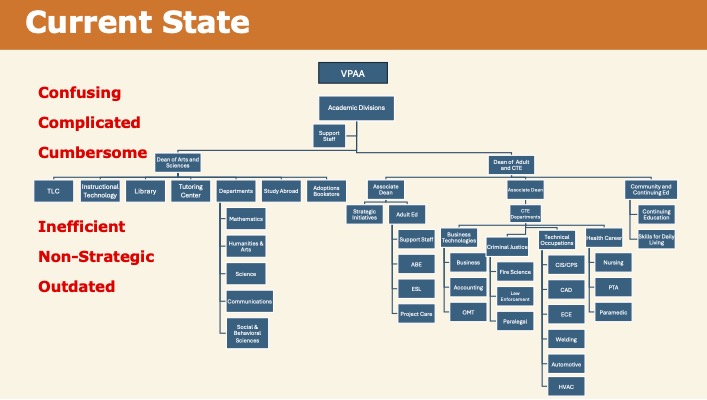
We brought in external expertise to address critical gaps in registration and information technology, hired key leaders in Institutional Research, Financial Aid, and Registration, and began rebuilding functions that had eroded over time. At the same time, we launched the first phase of a comprehensive reorganization designed to clarify responsibilities, simplify structures, and align resources around institutional priorities.
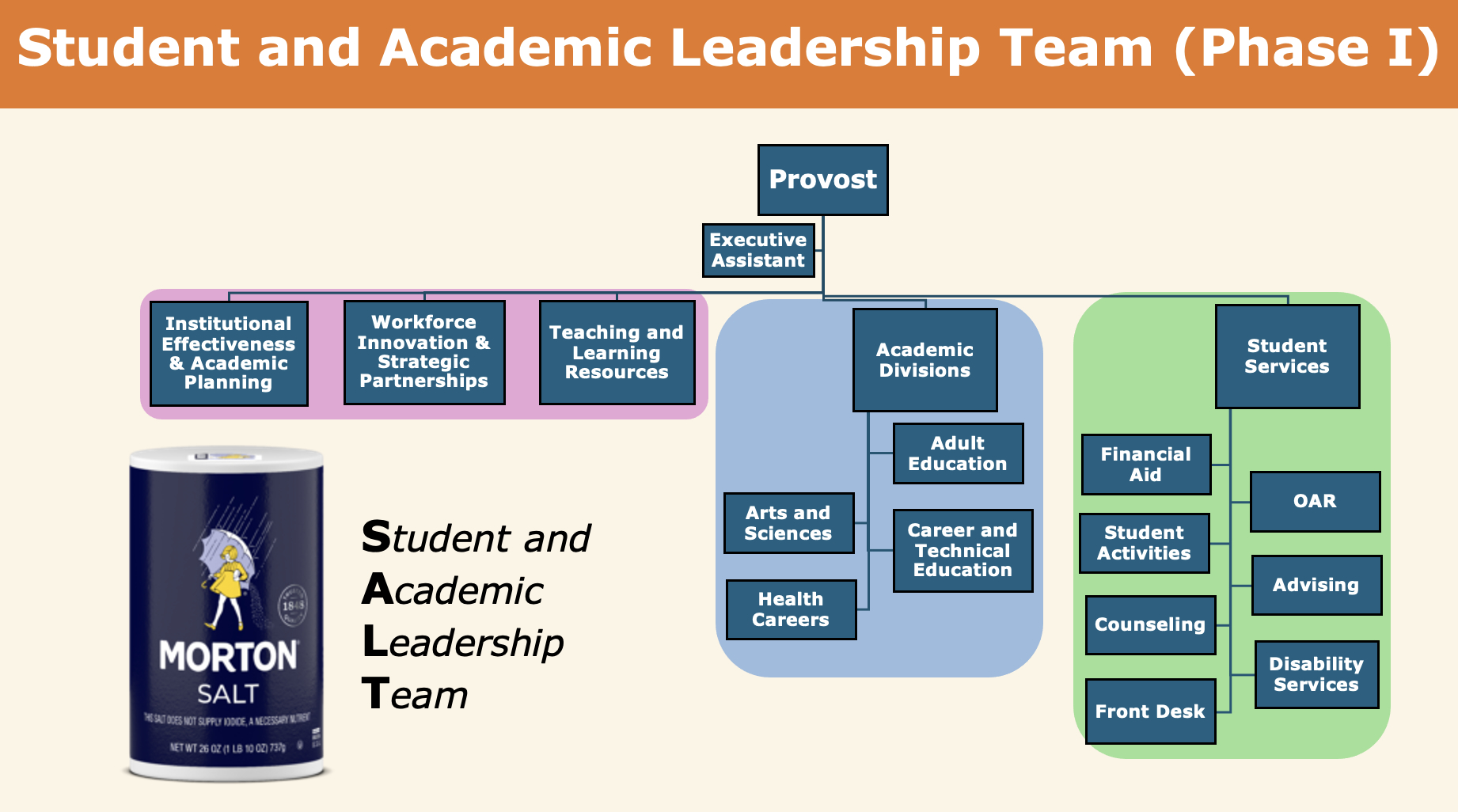
But organizational charts alone would not solve the problem.
As I spent time with employees across the college, I discovered talented people carrying enormous responsibilities with limited authority, resources, or opportunities to lead.
One conversation has stayed with me.
An instructional designer told me she had never been given an opportunity to lead. Yet as we talked, I saw someone with the vision, credibility, and commitment necessary to build something important. She eventually became the director of a newly integrated division supporting faculty development, tutoring, educational technology, assessment, testing, and academic support.
She was not alone.
Across the institution, I encountered talented professionals who had already demonstrated exceptional leadership but lacked clear pathways for advancement. Some were managing workforce partnerships, grants, and strategic initiatives. Others were leading assessment, planning, academic programs, or student support services. Rather than searching exclusively outside the institution, I looked for opportunities to invest in the people who were already doing extraordinary work.
The reorganization gave us a framework, but leadership development became the larger goal.
We reorganized Academic and Student Affairs around a simple principle: place the right resources in the right locations, align them around a shared purpose, and remove barriers that prevented talented people from doing their best work.
The objective was never simply efficiency.
It was to reduce friction, eliminate noise, and create conditions in which talented people could succeed.
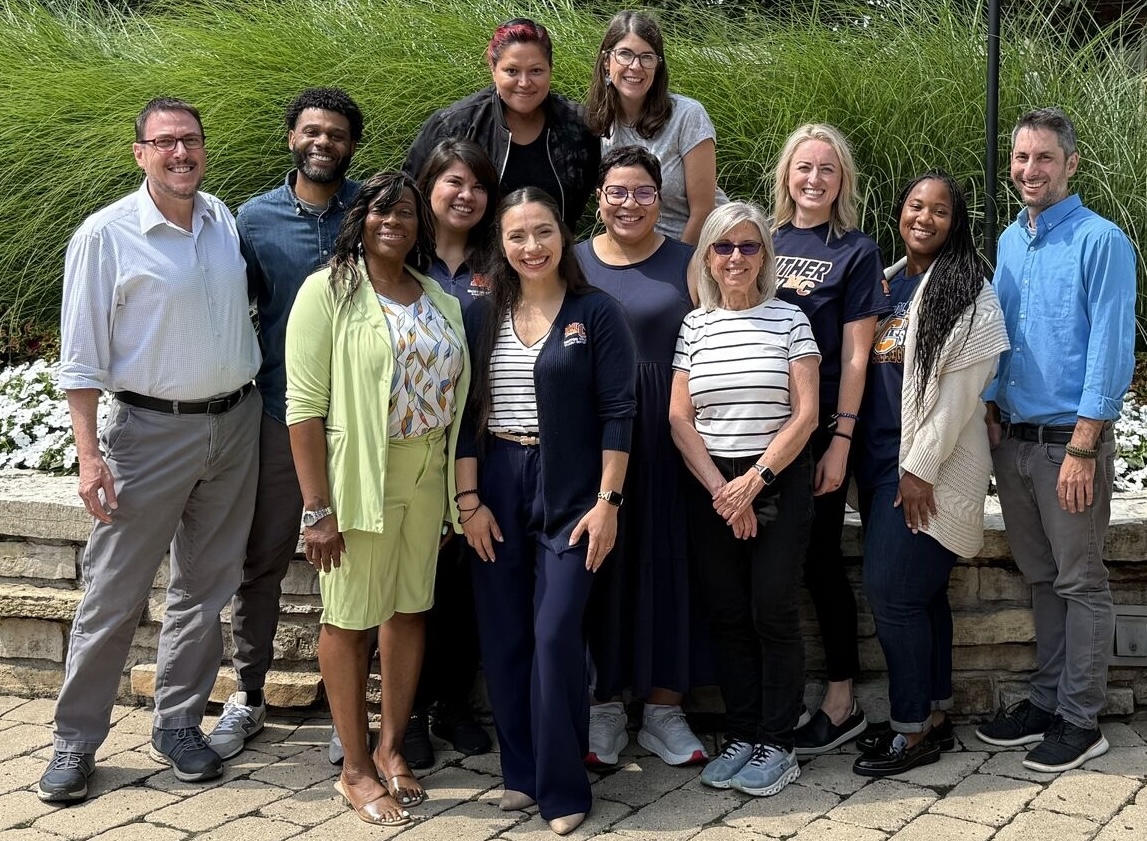
At the same time, we established the Student and Academic Leadership Team (SALT), bringing together leaders from across the college to focus on shared challenges and shared solutions. The goal was to move beyond organizational silos and create a culture in which leadership was understood as a collective responsibility rather than a position on an organizational chart.
Slowly, the culture began to shift.
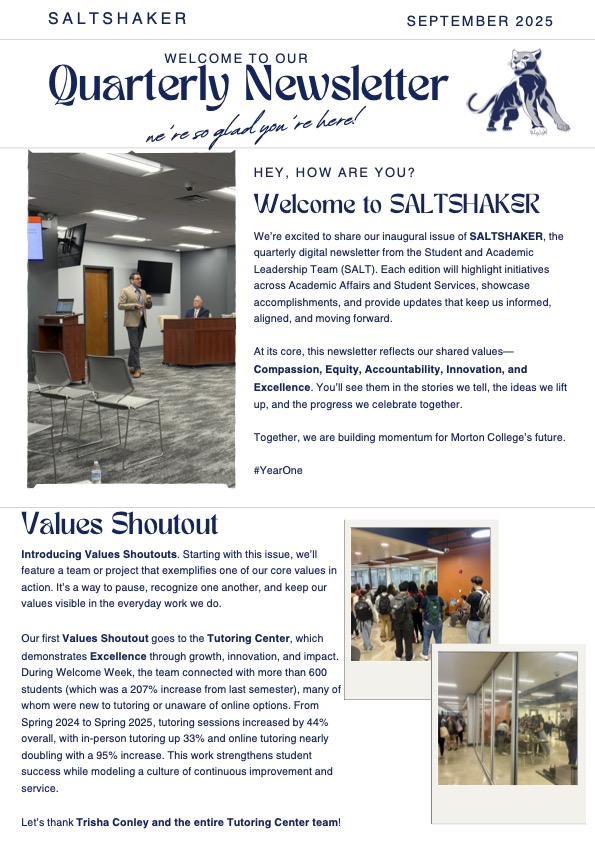
The phrase “we are the they” stopped being something I said and became something others said. People began looking across divisions instead of around them. Problems became shared challenges. Solutions became collective responsibilities.
The results were not immediate. Organizational renewal rarely is.
But within a year, reporting processes had stabilized, data quality improved, critical functions operated reliably, and enrollment increased after years of decline. More importantly, the institution could finally move beyond constant crisis management and begin focusing on strategic priorities and long-term improvement.
Several of the leaders who have emerged through this work have thanked me for “changing their lives.”
While I appreciate the sentiment, these are talented professionals who have always possessed the ability to lead. All they needed was opportunity and someone willing to clear the space for them to step in and step up.
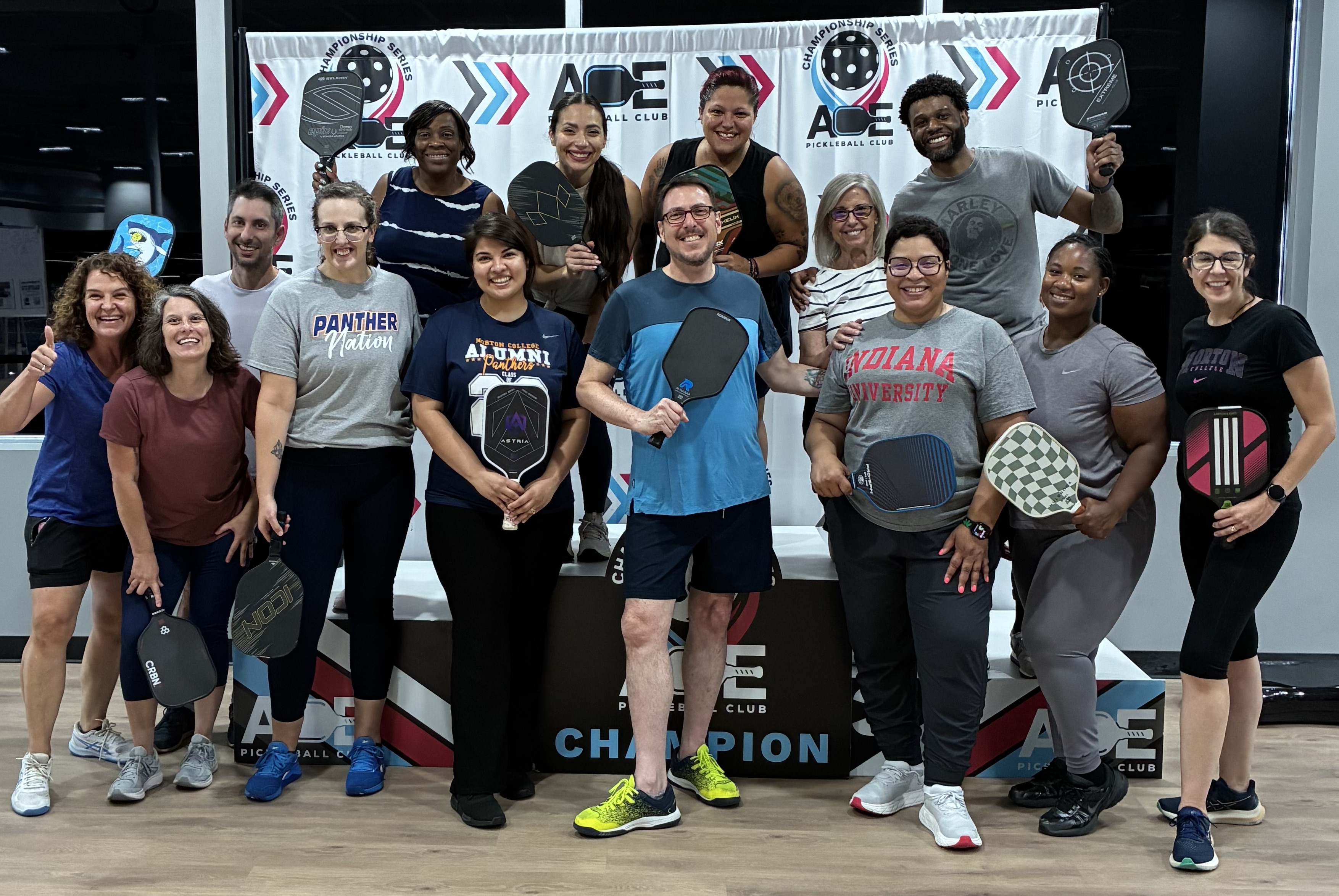
The most meaningful outcome of any reorganization is not an org chart, an accreditation report, or even enrollment growth. It is watching talented people embrace new responsibilities and possibilities, and discover what they were capable of accomplishing together.
Leadership Begins with Possibility
When I arrived at Morton College, much of the college’s attention was focused on immediate challenges. Enrollment was in decline. Accreditation concerns persisted. Key leadership positions were vacant. Core systems and processes were fragmented.
Yet even as we worked to address those issues, I found myself drawn to a different question:
What could Morton College become?
One opportunity stood above all others.
Adjacent to campus sat a large parcel of college-owned land that presented a once in a generation opportunity. Most institutions spend decades searching for ways to expand. Morton already possessed one. The question was not whether the land should be developed. The question was whether we had the courage to imagine what the next century of the college might require.
From the beginning, I viewed the parcel as more than a development project.
It was a canvas.
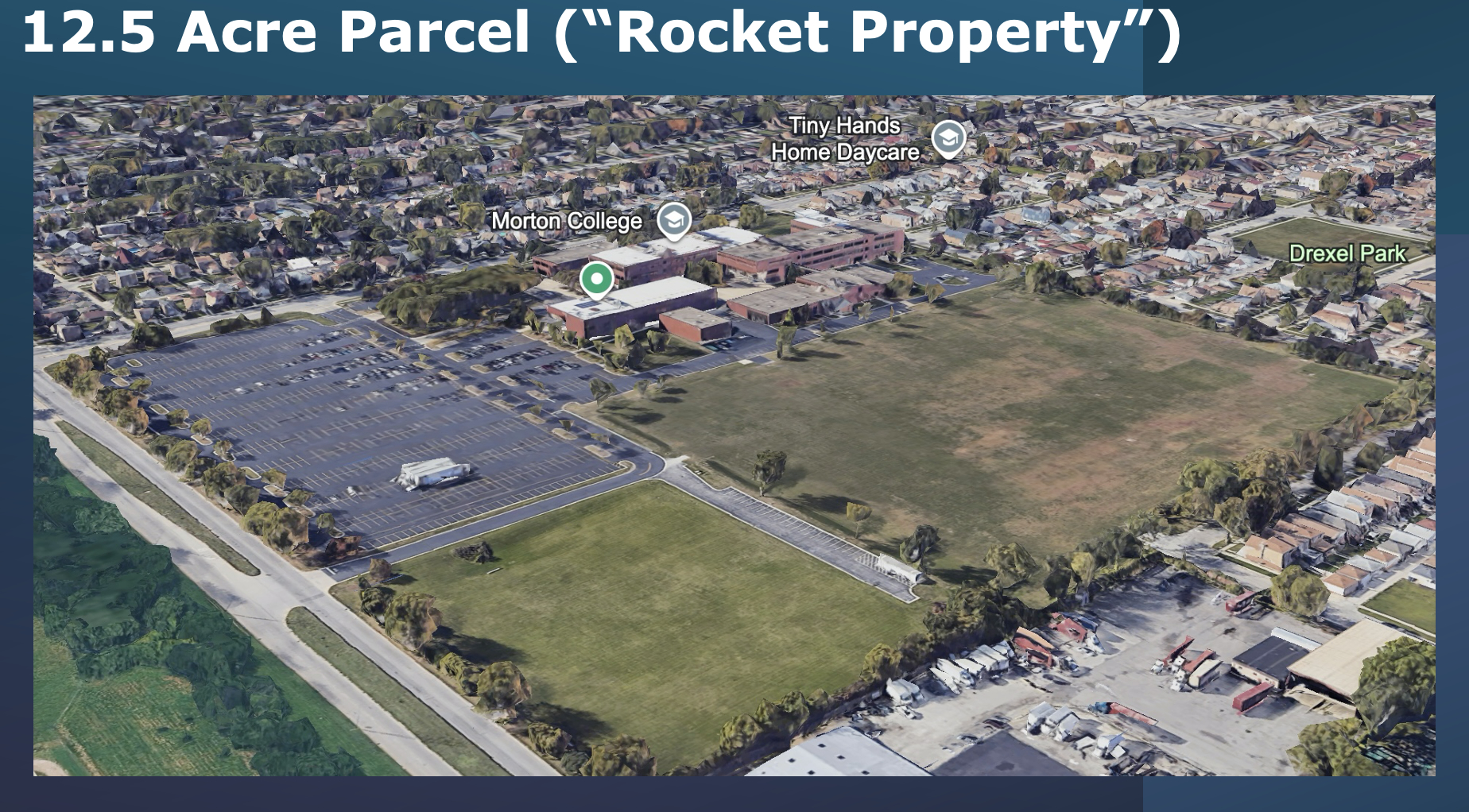
It offered an opportunity to think not in terms of the next budget cycle or enrollment report, but the future of our district.
Rather than beginning with buildings, we began with conversations.
Faculty, staff, students, employers, workforce partners, elected officials, and community leaders all had perspectives on where the college should go next. We conducted focus groups, strategic planning sessions, workforce conversations, and community discussions. At the same time, we engaged consultants to help us explore possibilities and assess long-term needs.
What emerged from those conversations was both surprising and affirming.
There was no single vision.
There were several.
Employers spoke about growing workforce shortages in advanced manufacturing, transportation, electrification and emerging technologies. Faculty highlighted the need for modernized instructional spaces and expanded capacity in high-demand programs. Healthcare partners emphasized workforce shortages throughout the region and the need for additional educational pathways. Others pointed to the arts, culture, and community spaces that help transform a college from a collection of buildings into a true civic institution.
Initially, these ideas appeared to compete with one another.
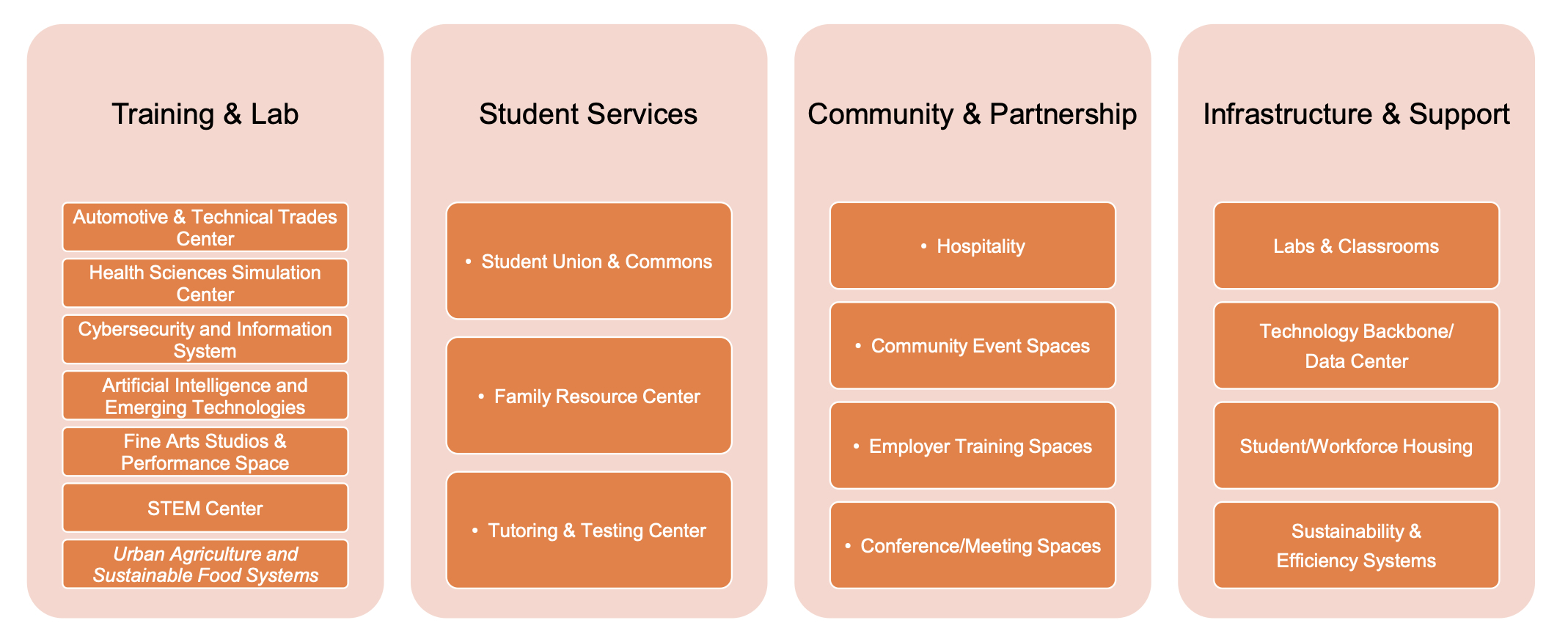
Some advocated for workforce development. Others prioritized health sciences. Others envisioned arts, culture, and community spaces.
As the conversations continued, I came to a different conclusion.
They were not competing visions.
They were describing different parts of the same future.
Morton did not need to choose between workforce development, health sciences, arts and culture, or community engagement. It needed to embrace all of them. The challenge was not selecting a single transformational project. The challenge was creating a sequence of investments capable of transforming the institution over time.
That realization fundamentally changed the conversation.
As new facilities came online, existing spaces could be repurposed. As programs moved into modern facilities, opportunities would emerge elsewhere on campus. What began as a discussion about a parcel of land evolved into a ten-year vision for the college itself.
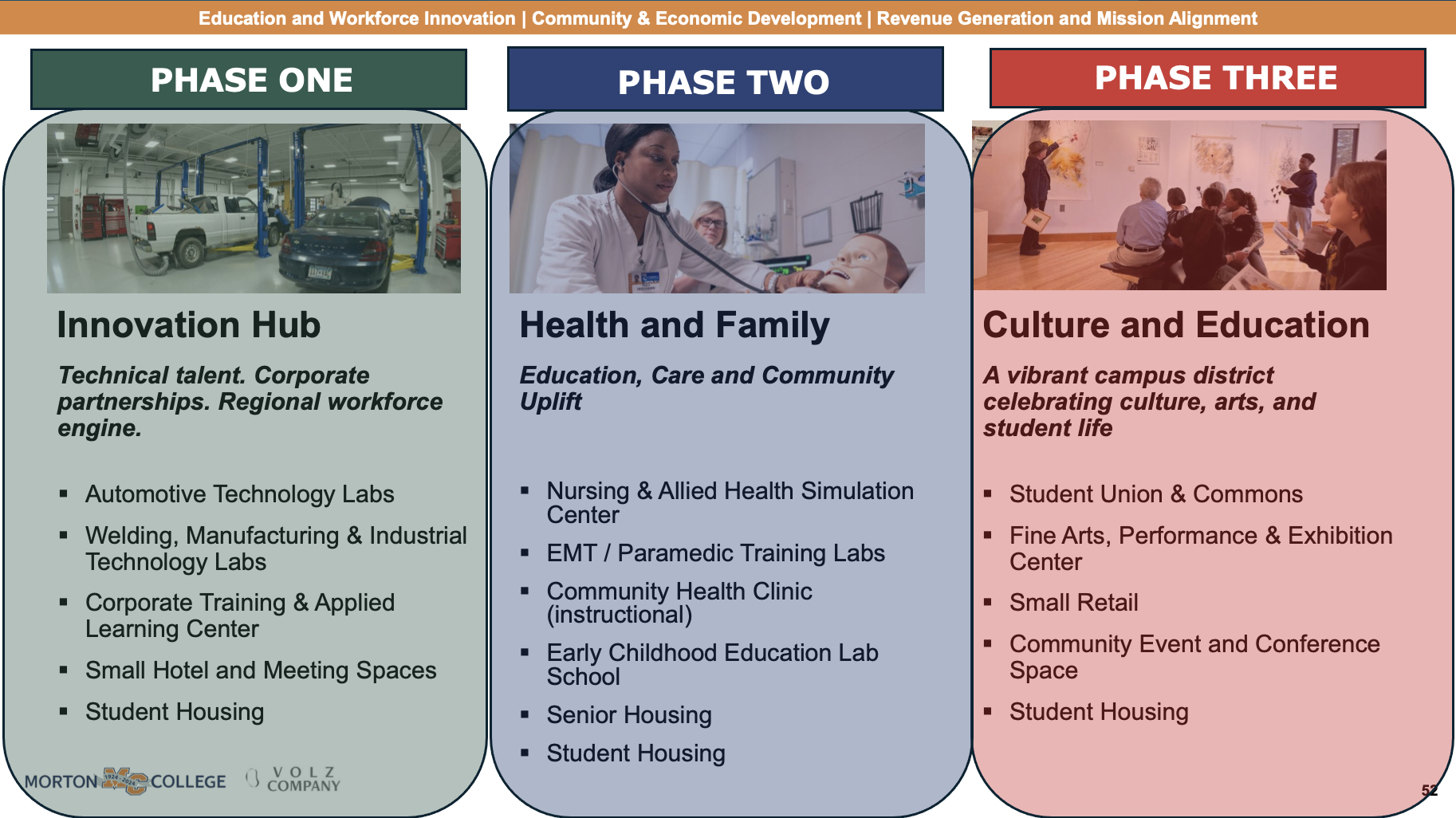
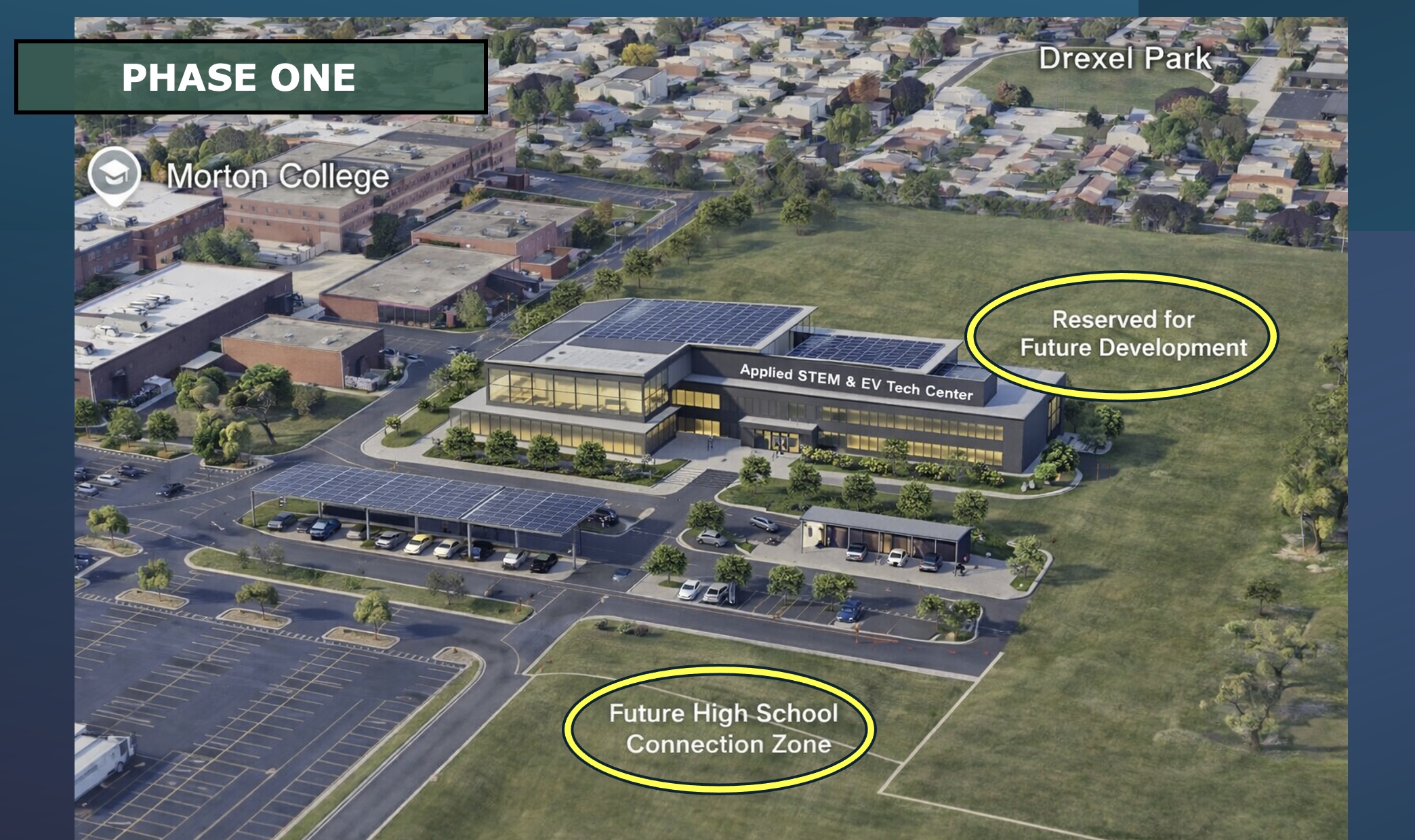
The resulting framework envisioned three interconnected phases. The first focused on an Applied STEM and Emerging Technologies Center designed to address workforce needs in areas such as advanced manufacturing, automotive technology, and electric vehicle training.
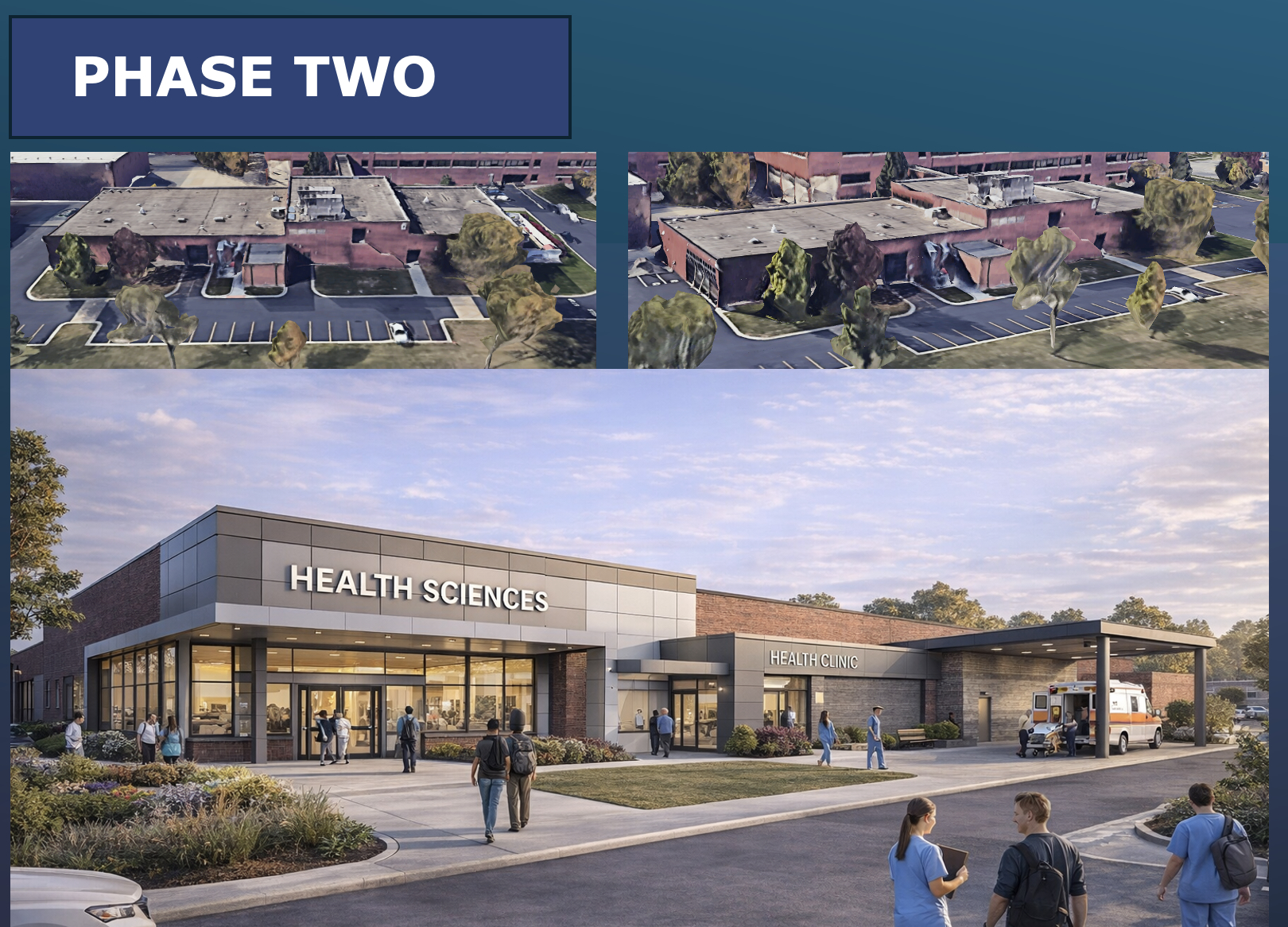
The second envisioned expanded capacity for health and biological sciences.
The third explored new opportunities for arts, culture, and creative collaboration.
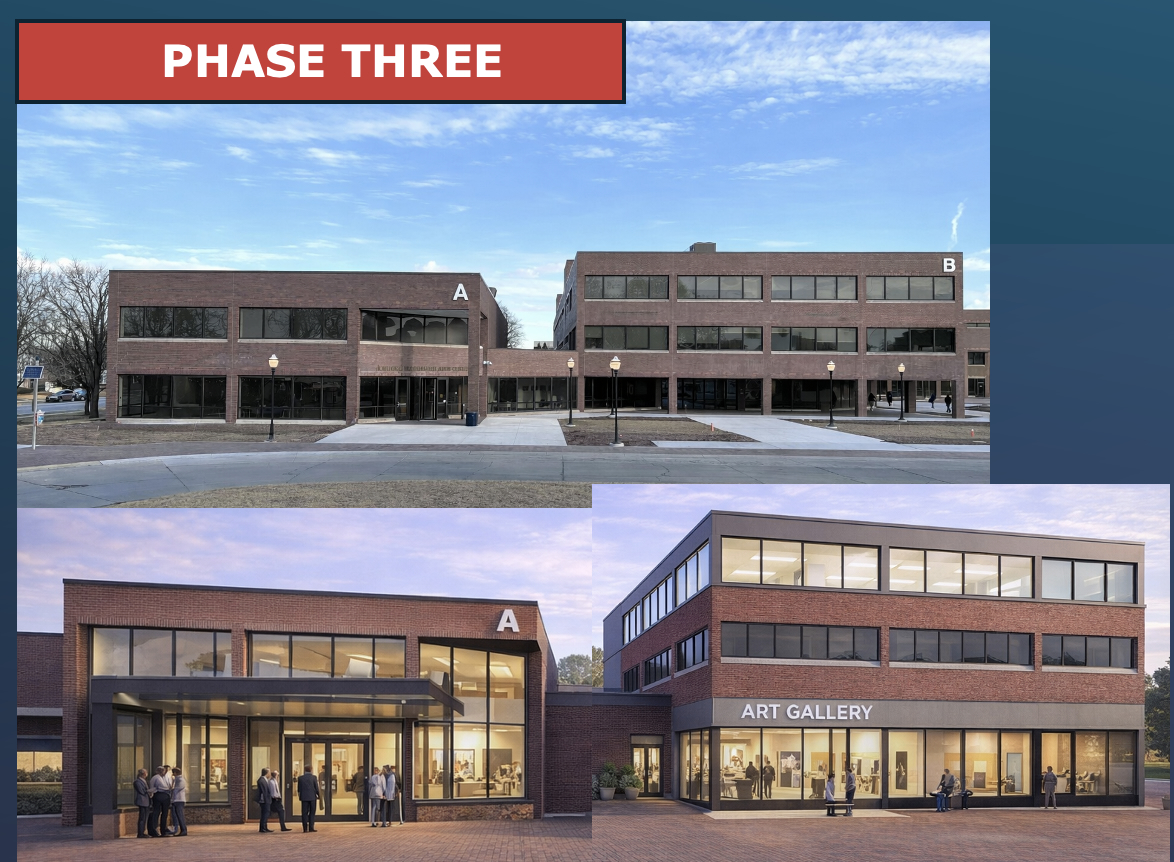
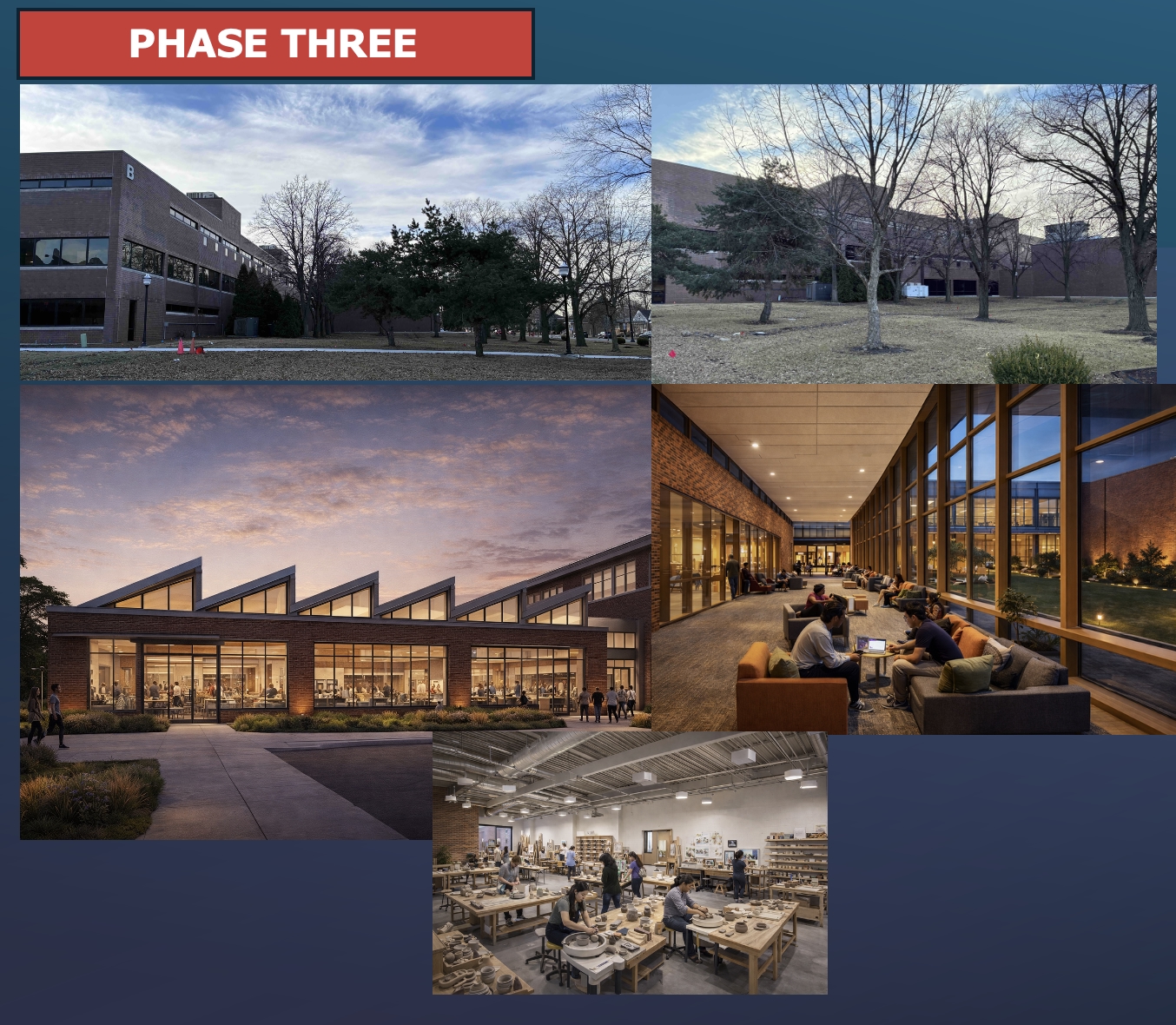
Together, the projects formed a comprehensive vision for growth, workforce development, student success, and community engagement.
What excited me most was not the facilities themselves.
It was what they made possible.
For years, conversations about community colleges have often centered on scarcity: declining enrollment, limited resources, and competing priorities. Morton presented a different challenge. Demand already existed. Multiple programs maintained waiting lists. The institution’s greatest constraint was not student interest.
It was physical capacity.
The question was no longer how to manage limitations.
The question was how to create the capacity necessary to serve more students, prepare more workers, and meet more community needs.
As we discussed this vision, one of my cabinet colleagues quietly remarked:
“I want to work at that college.”
The comment stayed with me.
She was not talking about a building. She was responding to a future that felt possible. For the first time, people could see how workforce development, health sciences, arts and culture, student success, and community engagement fit together as part of a larger vision.
The conversation had shifted from managing problems to creating possibilities.
Throughout the process, I frequently returned to a principle that has guided much of my leadership:
Honor the past. Build for the future.
The goal was never to erase Morton College’s history or disregard the work of previous generations. Quite the opposite. The opportunity existed because of the vision and stewardship of those who came before us. Our responsibility was to ensure that future generations inherited an institution capable of meeting challenges we could not yet fully anticipate.
The role of leadership is to help people imagine a future, believe it is possible, and take the first steps toward building it together.

